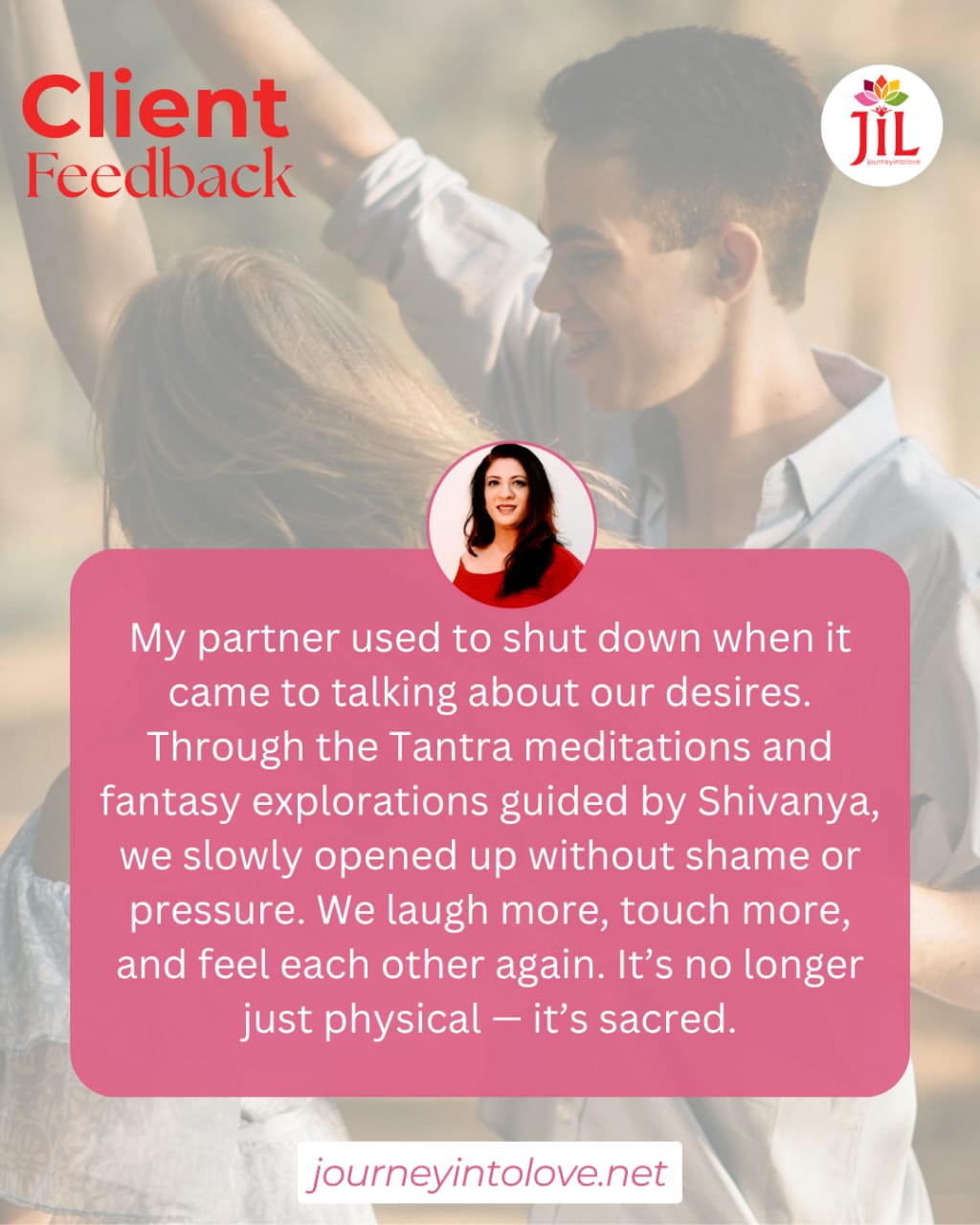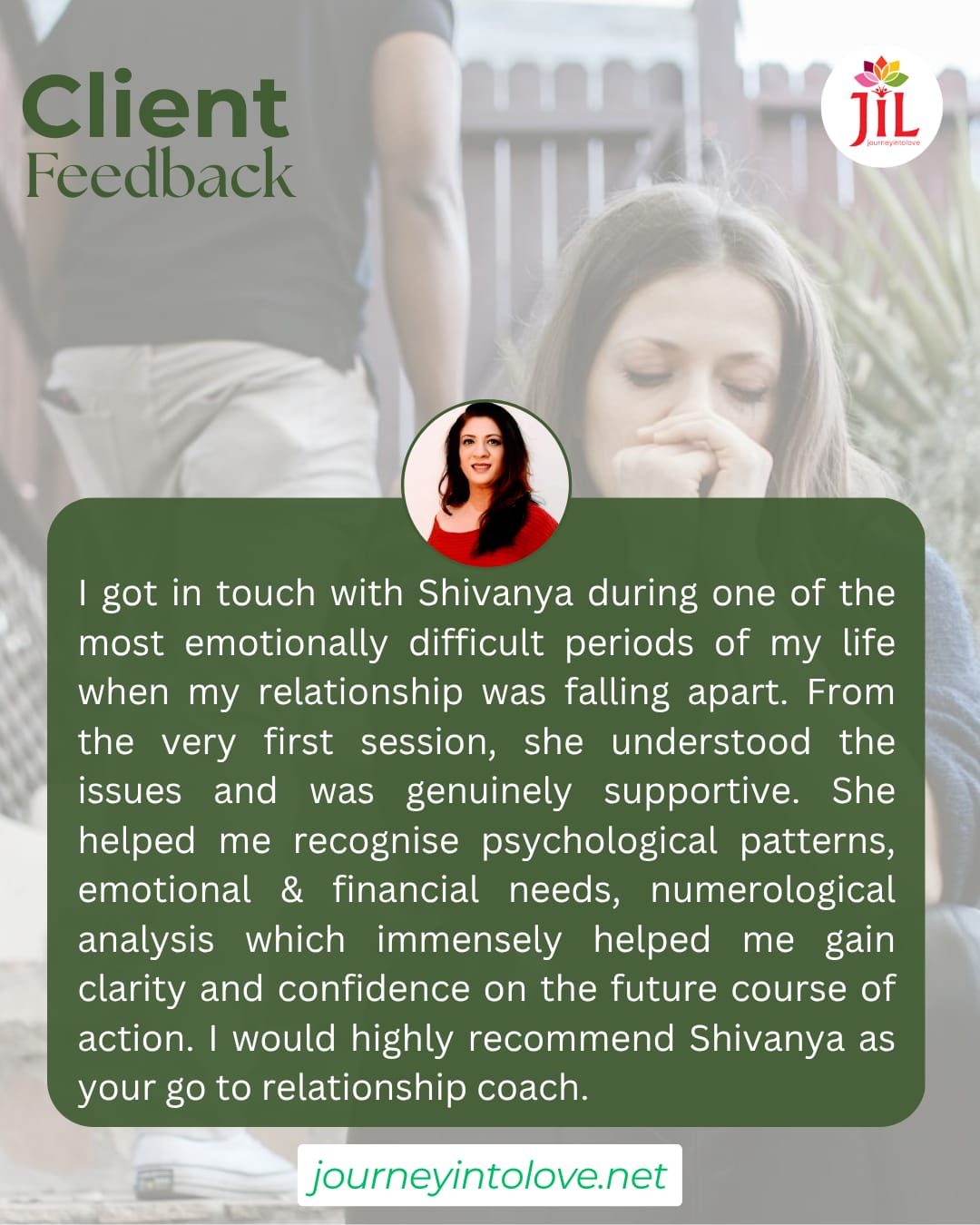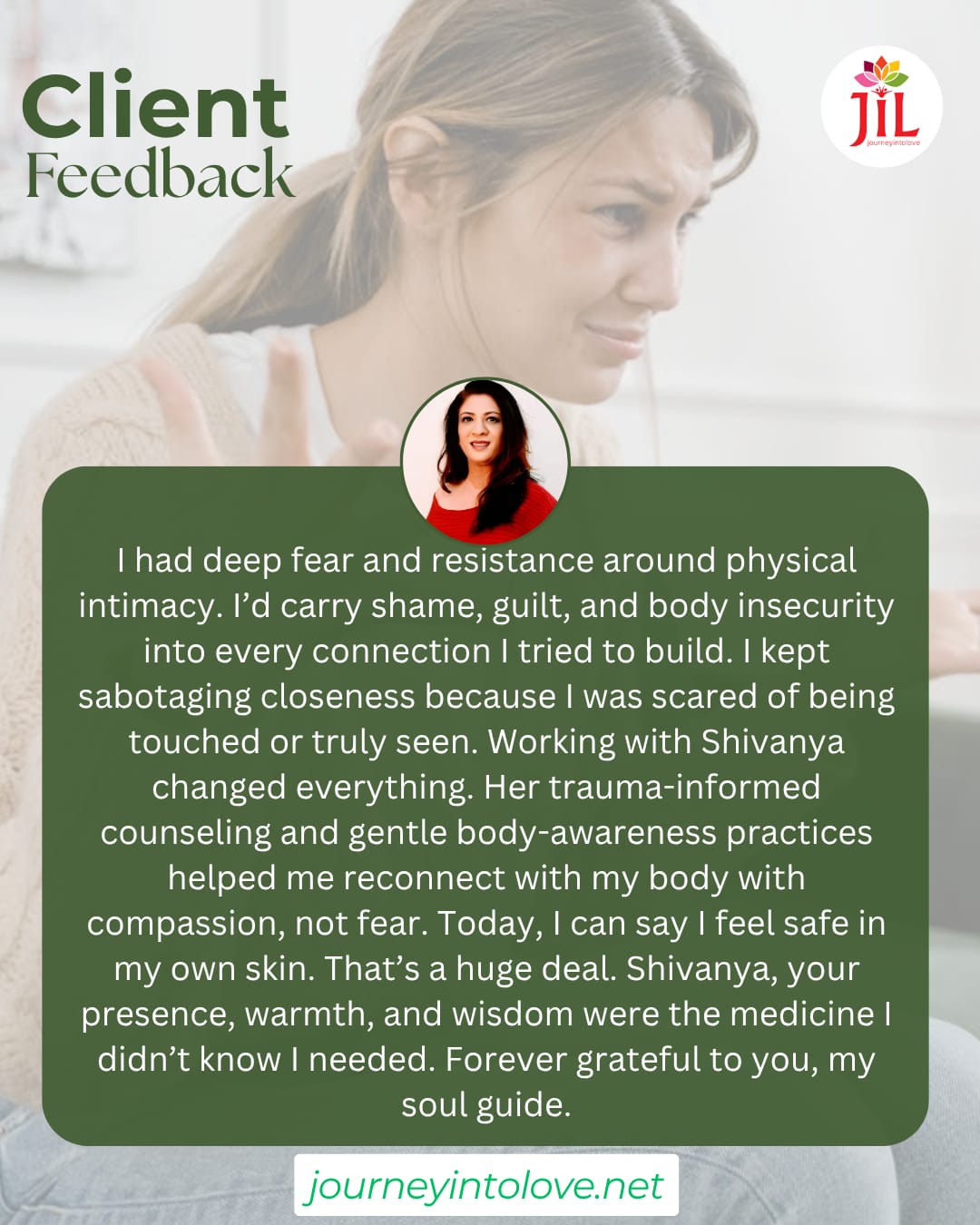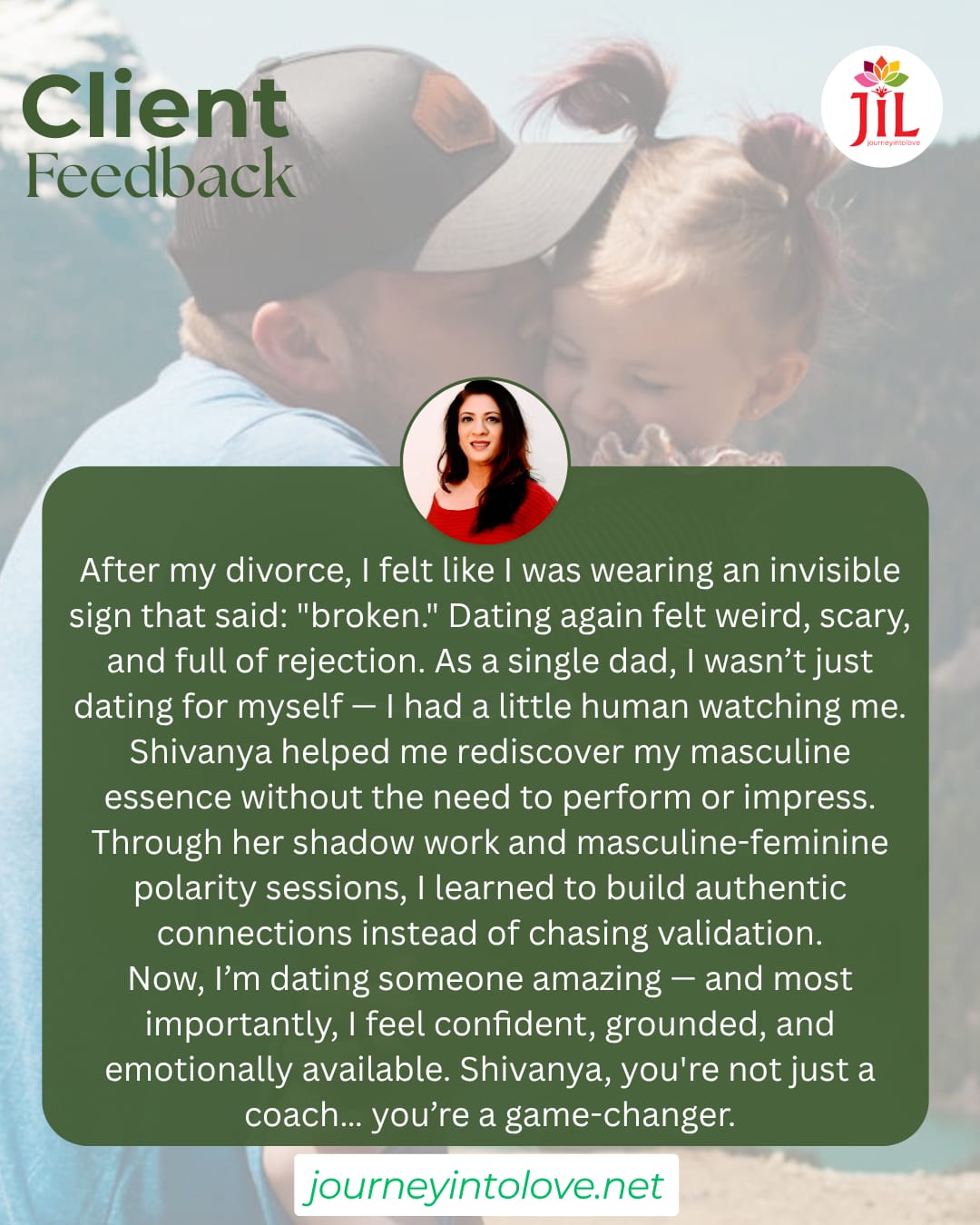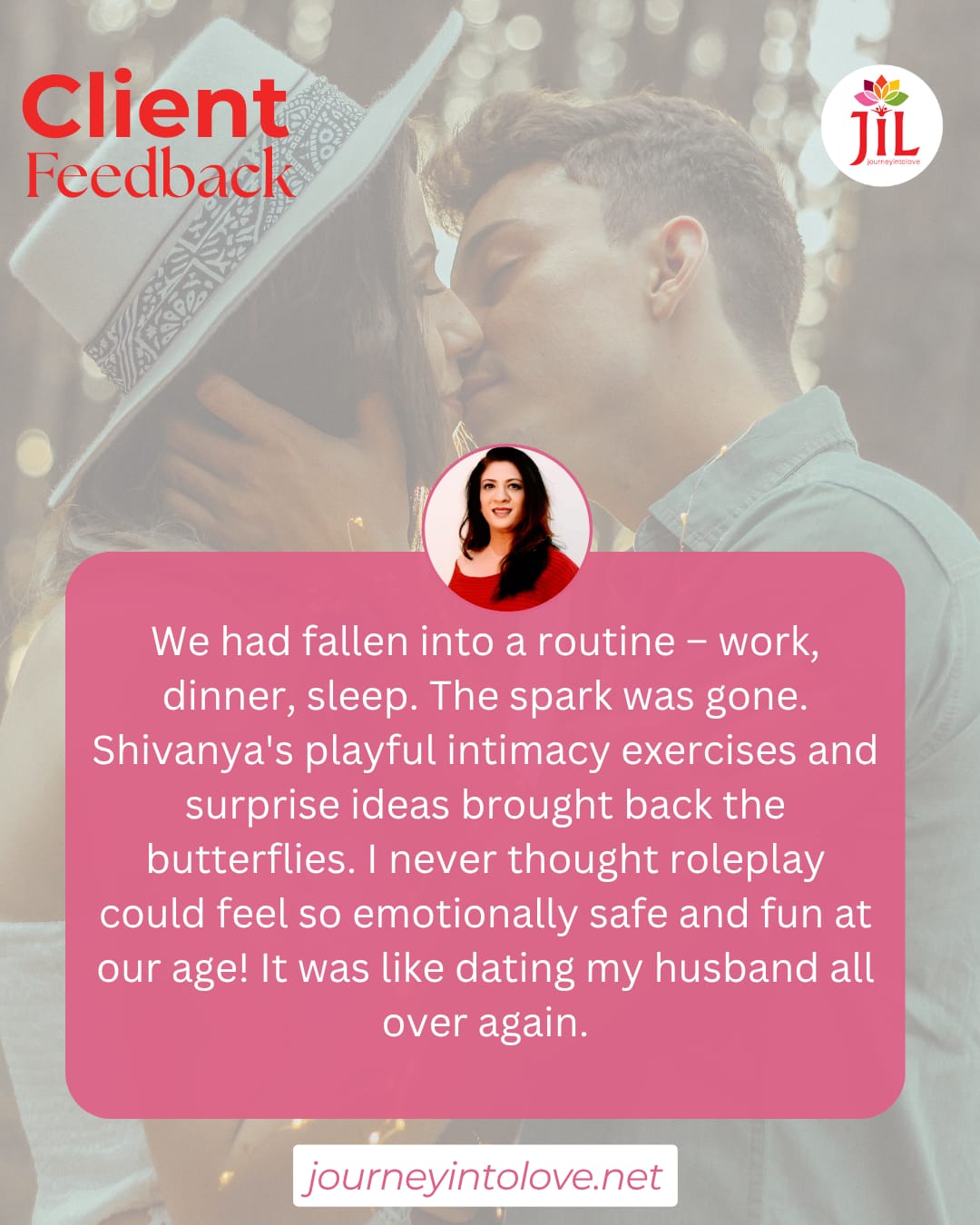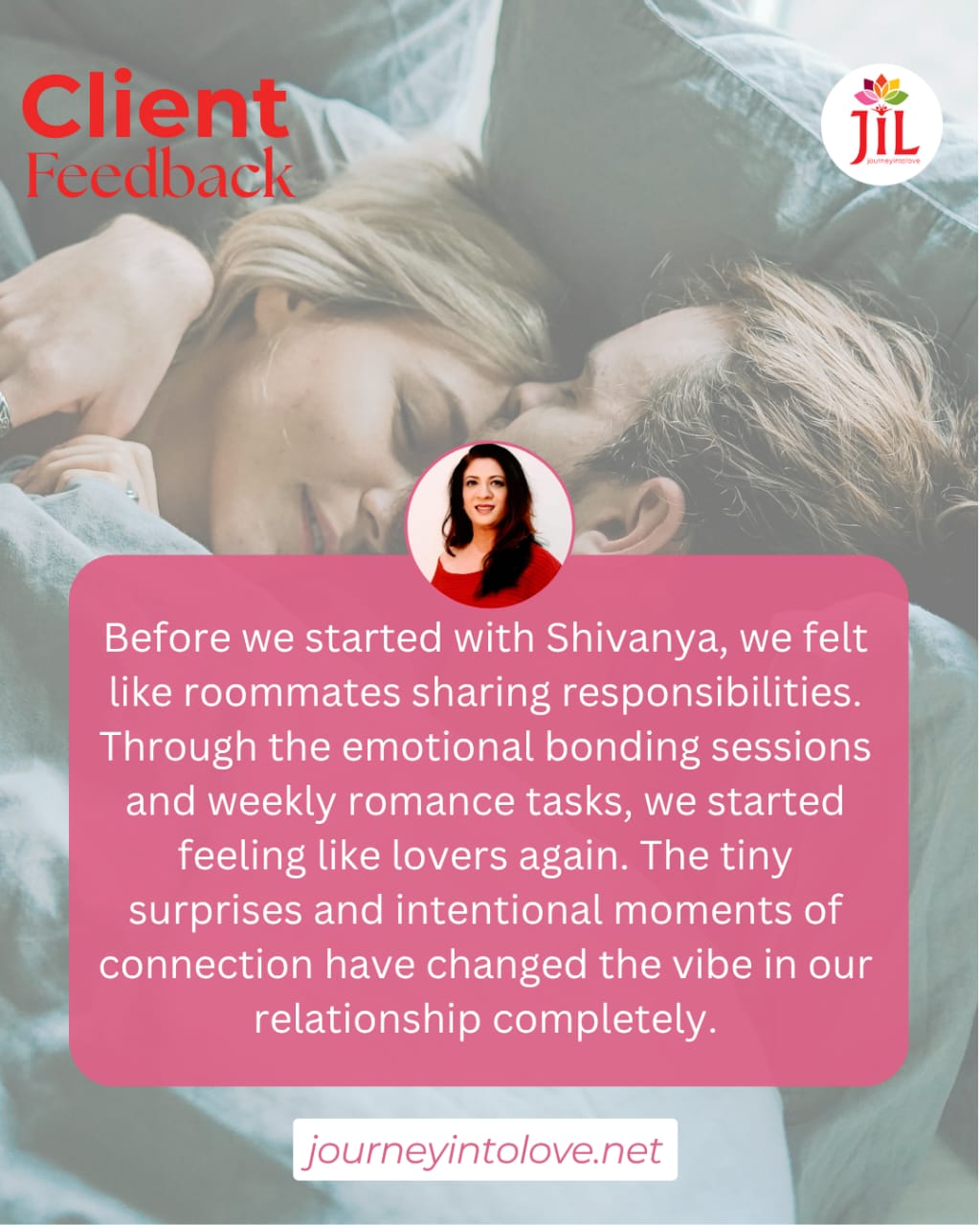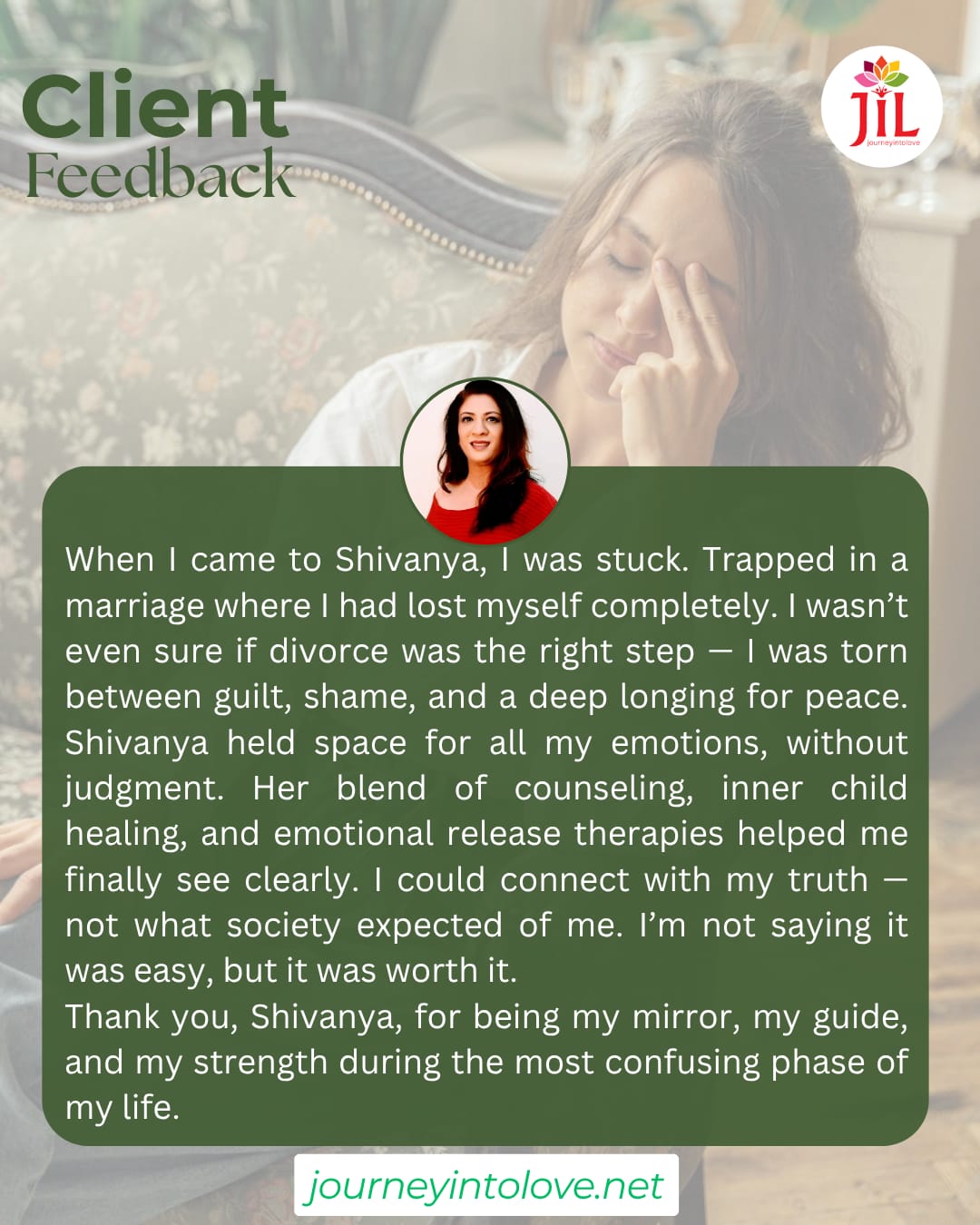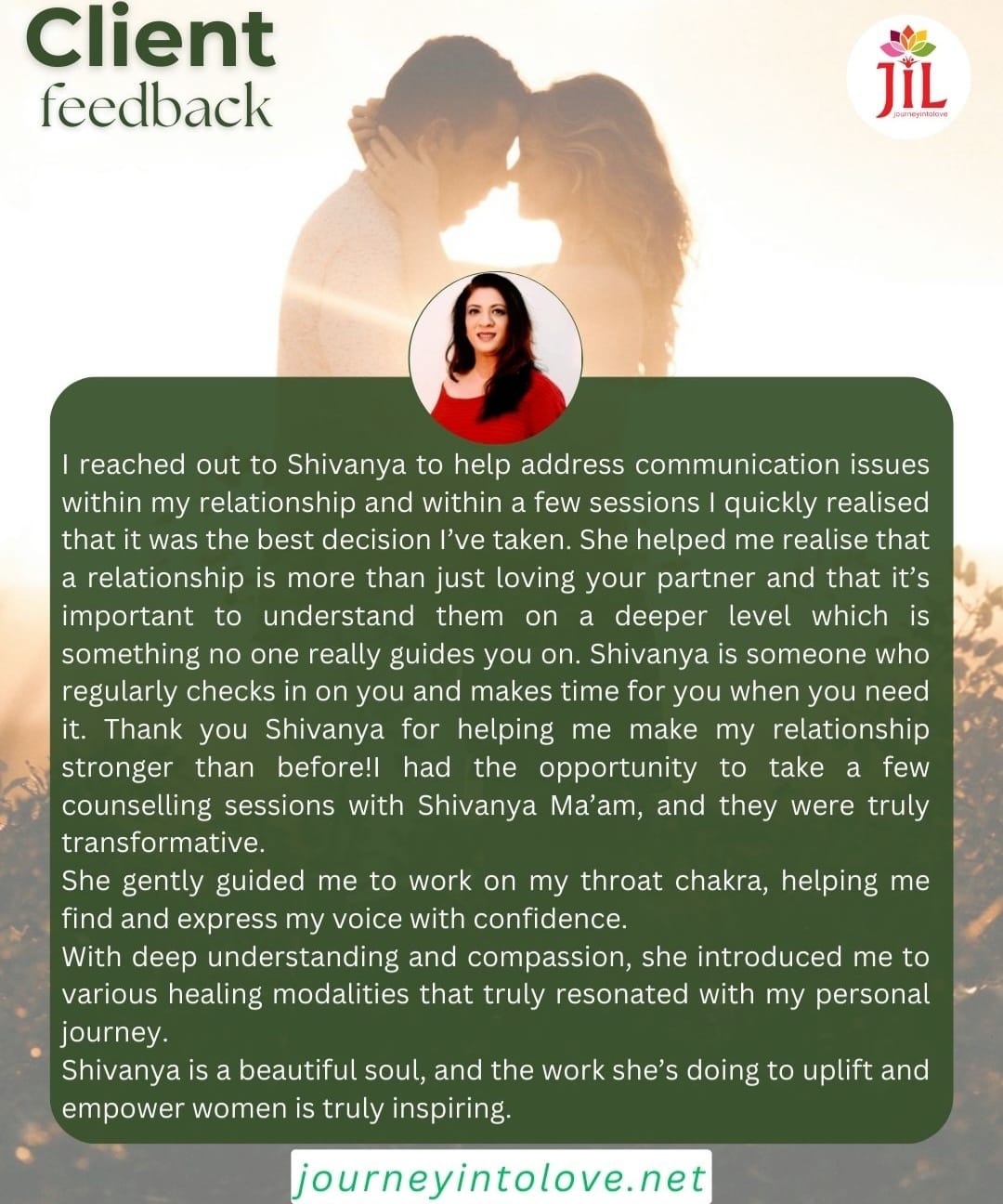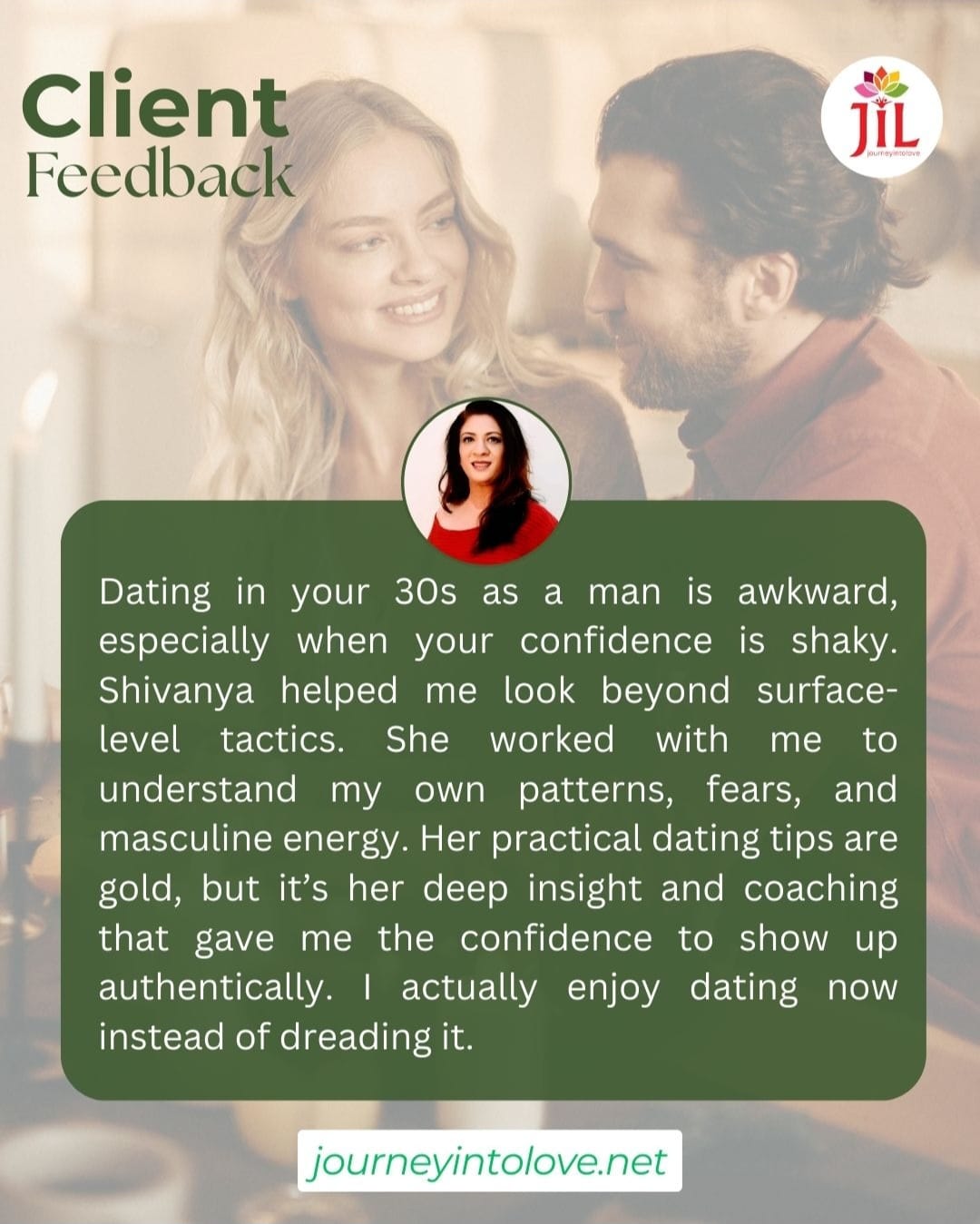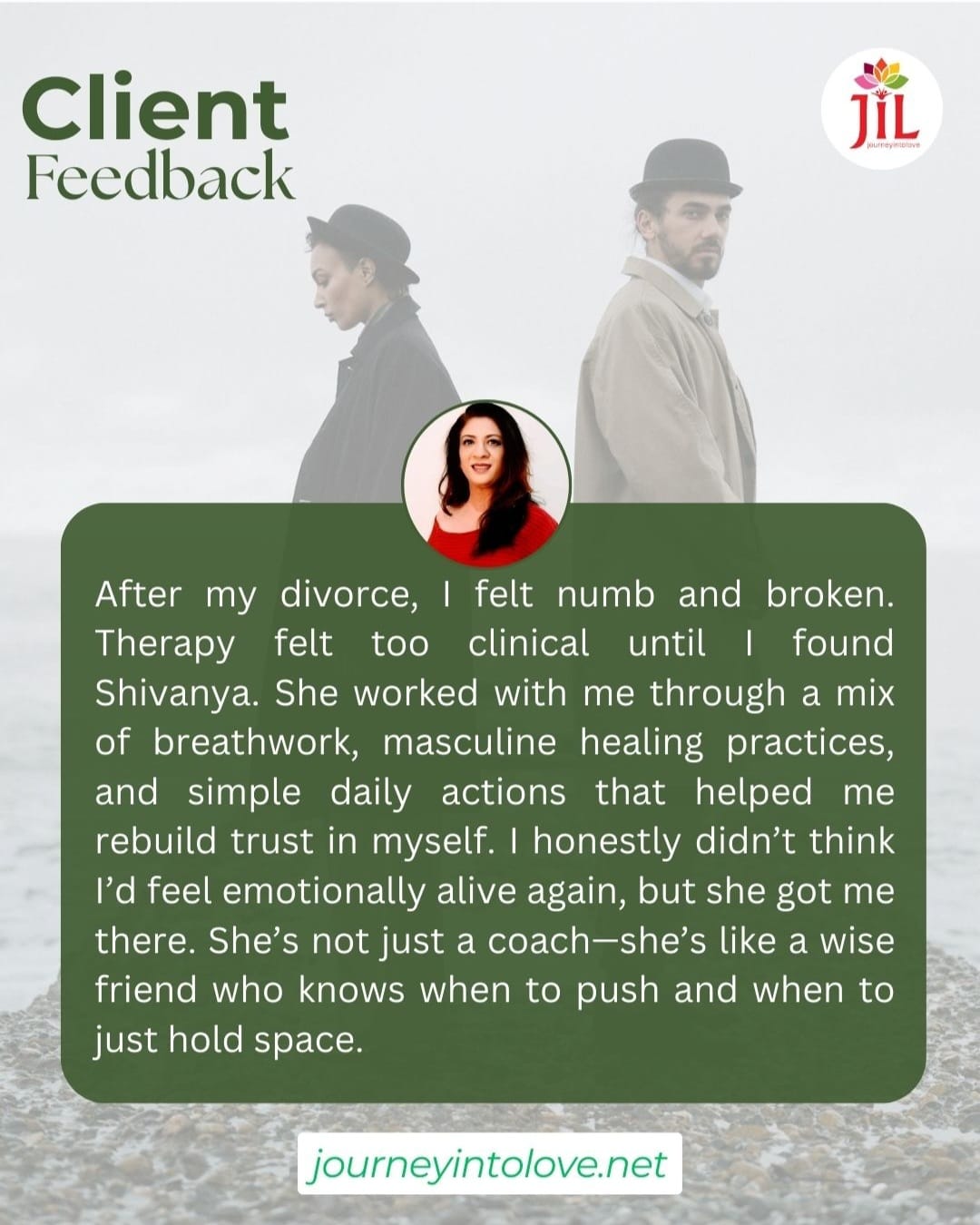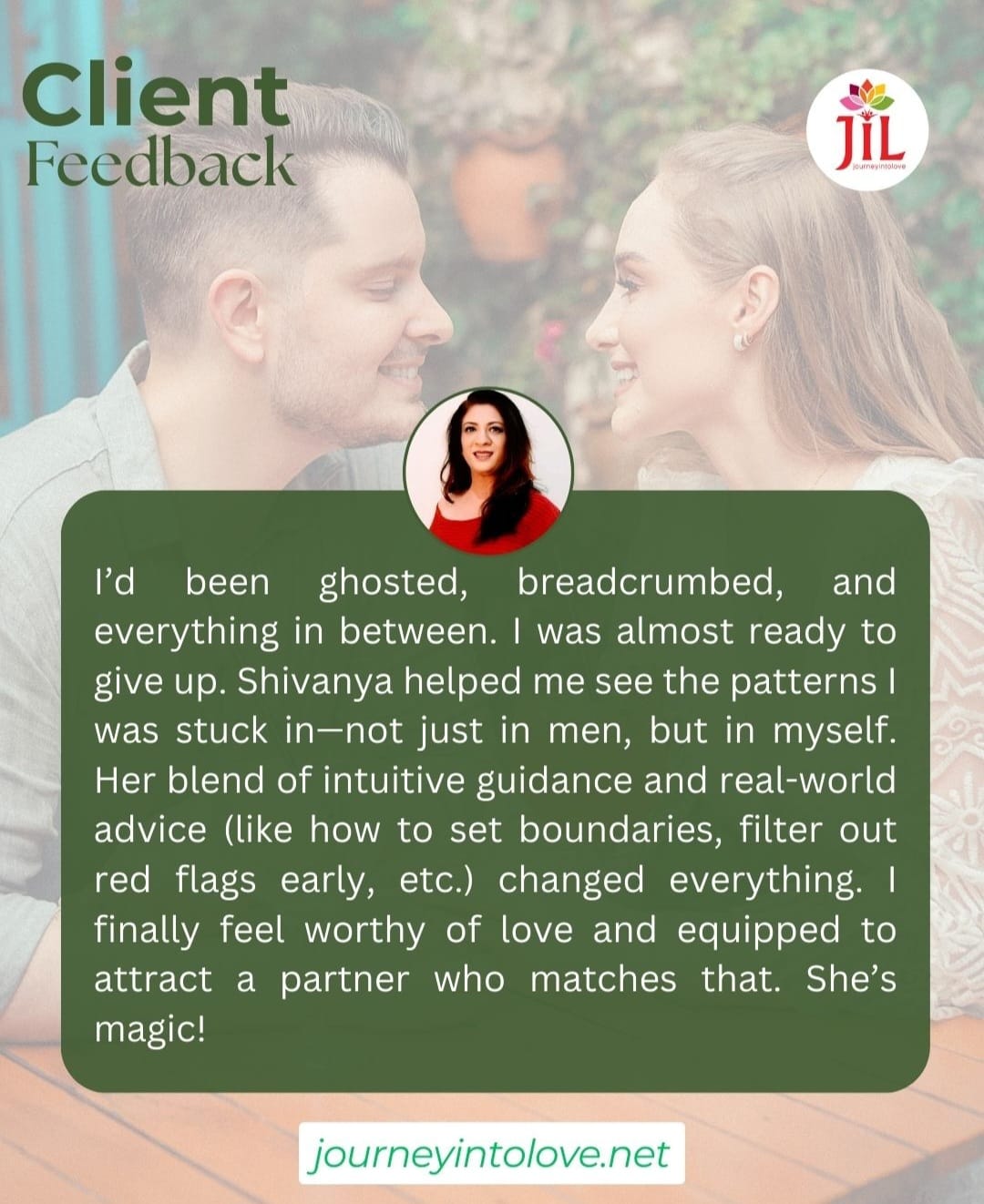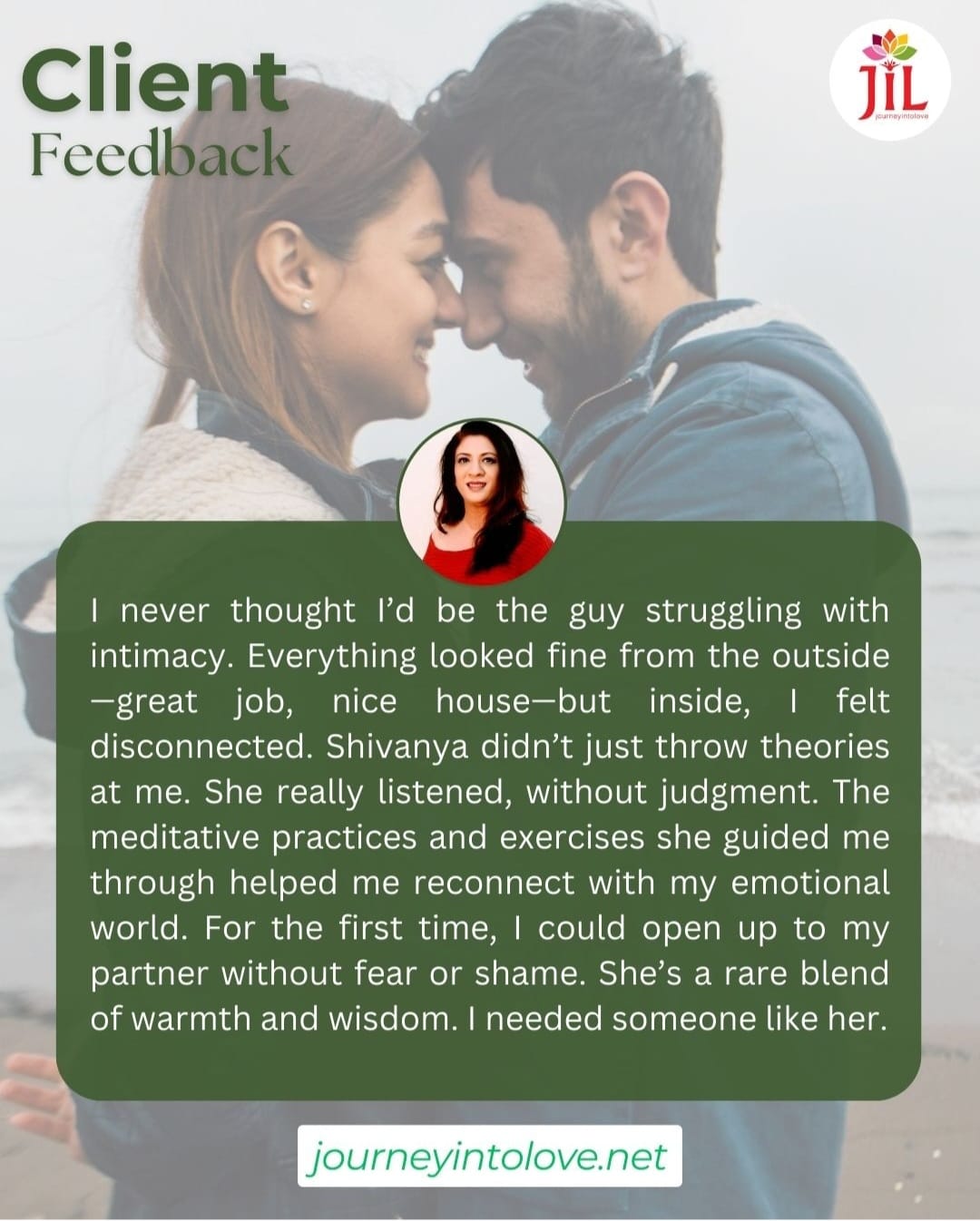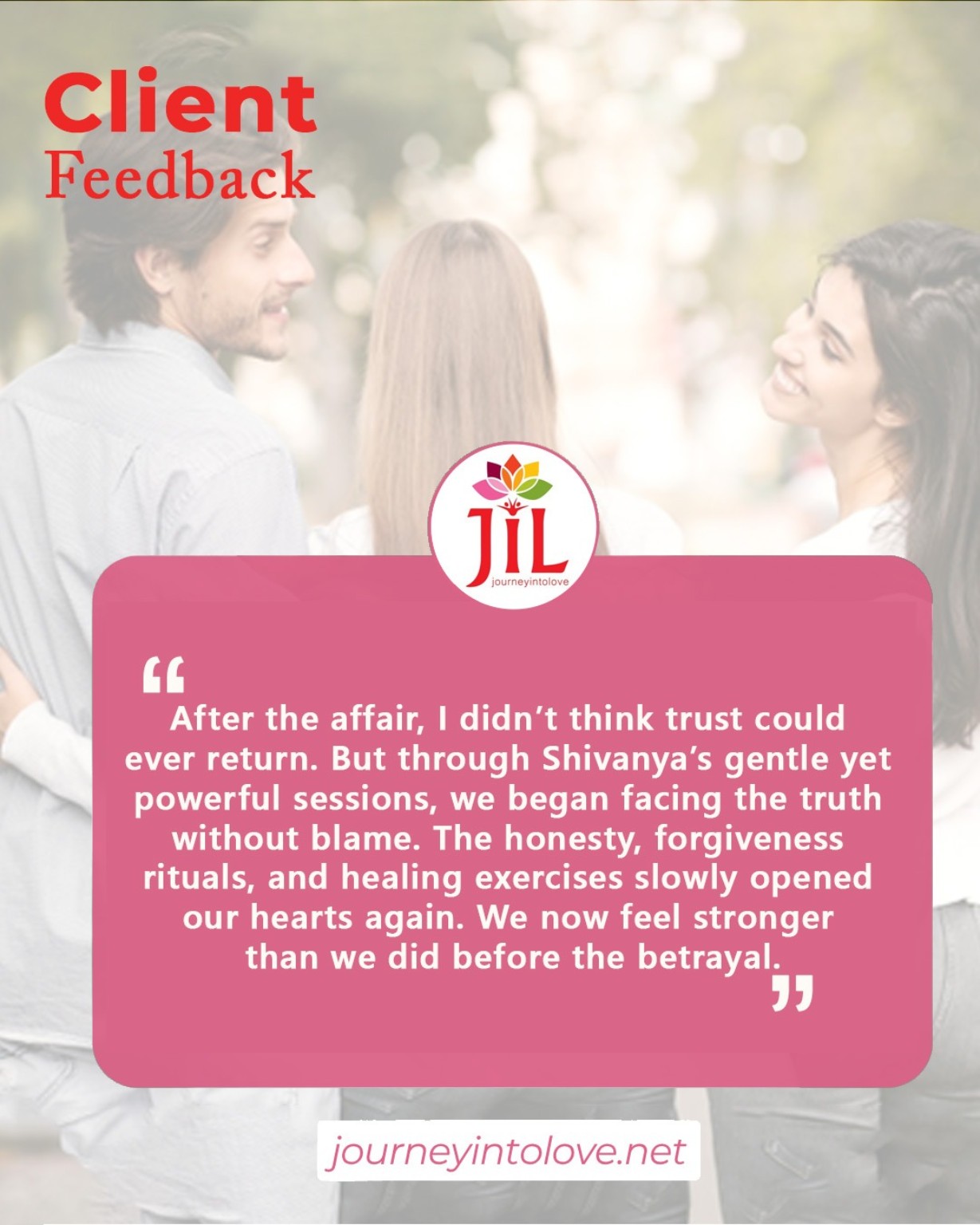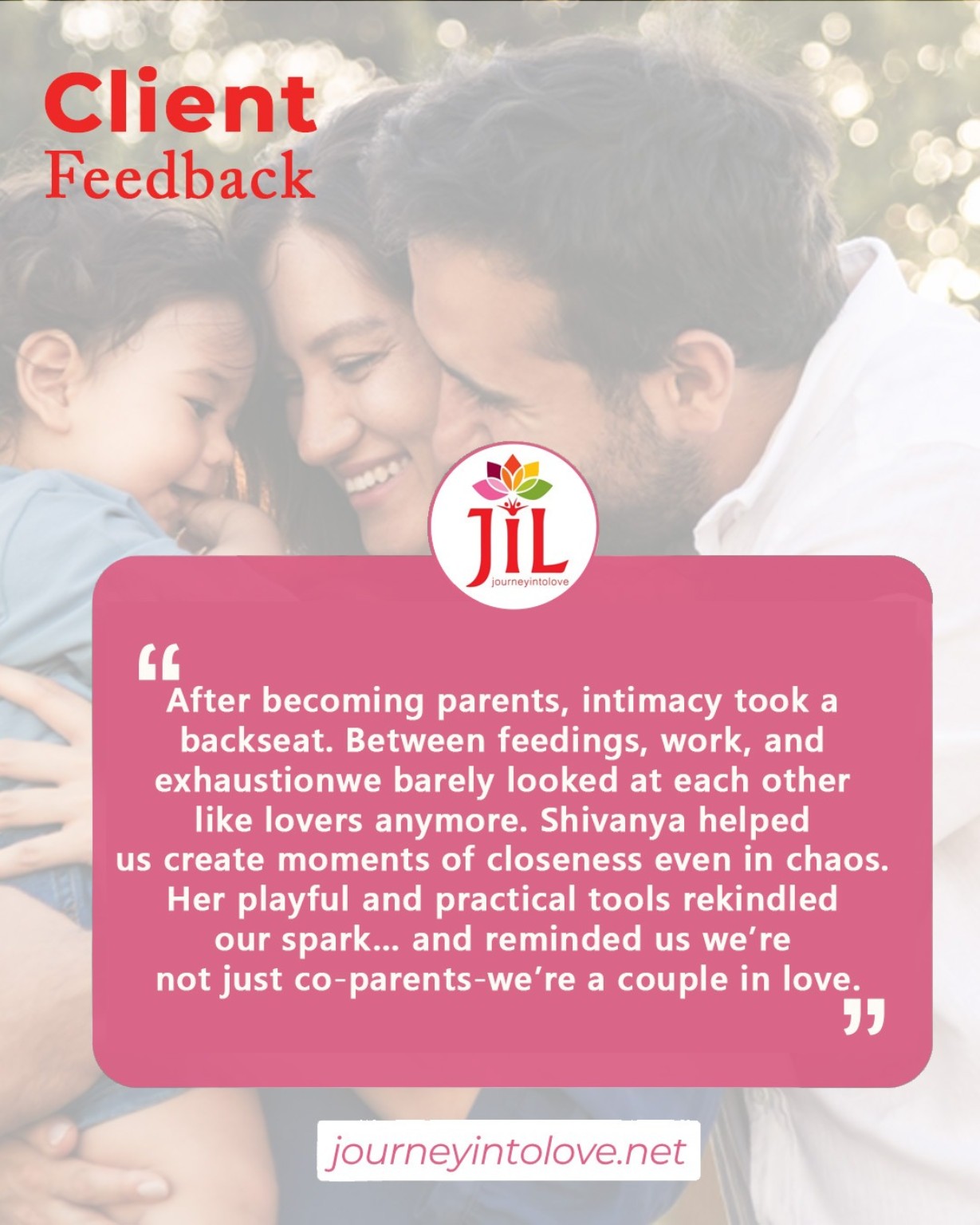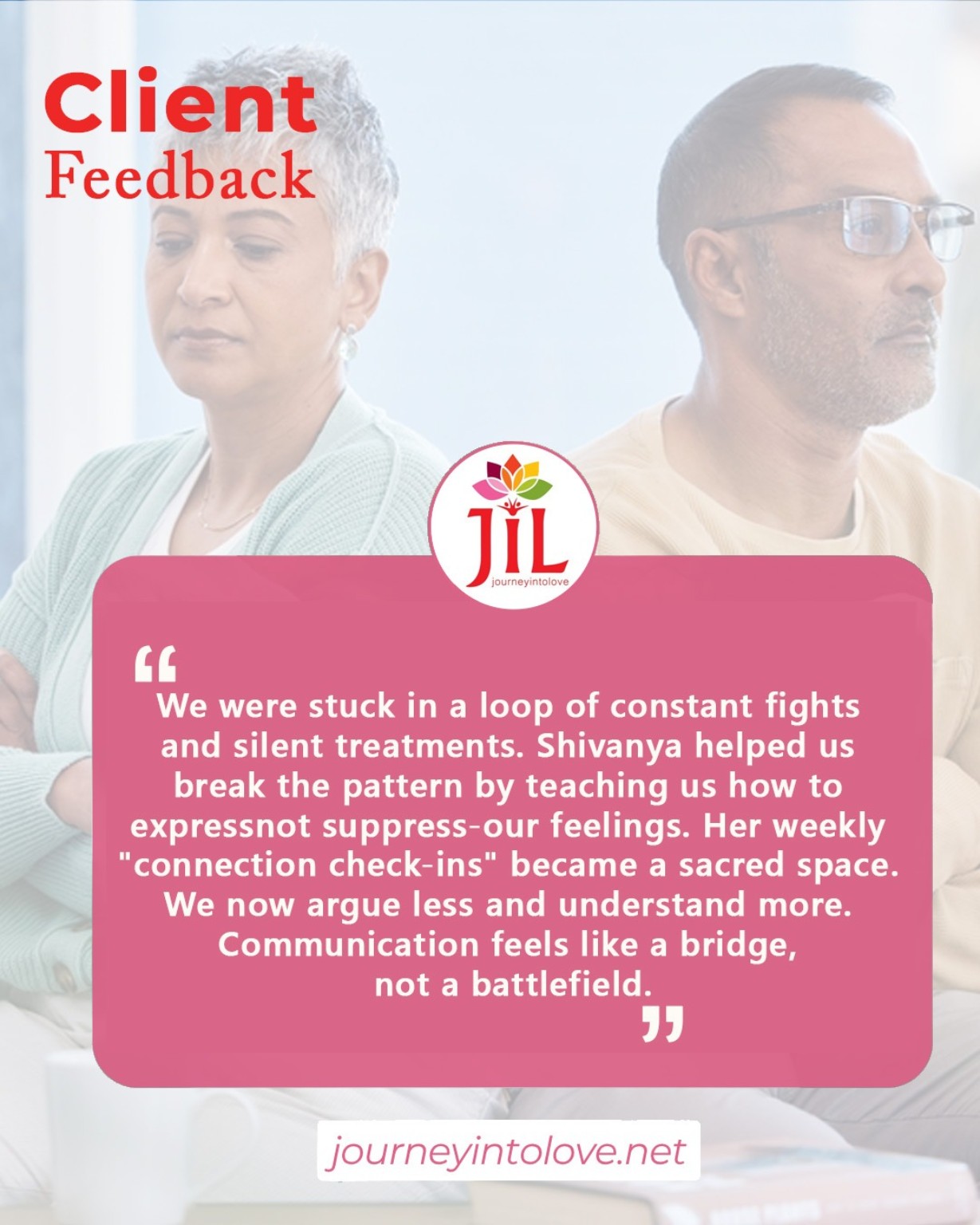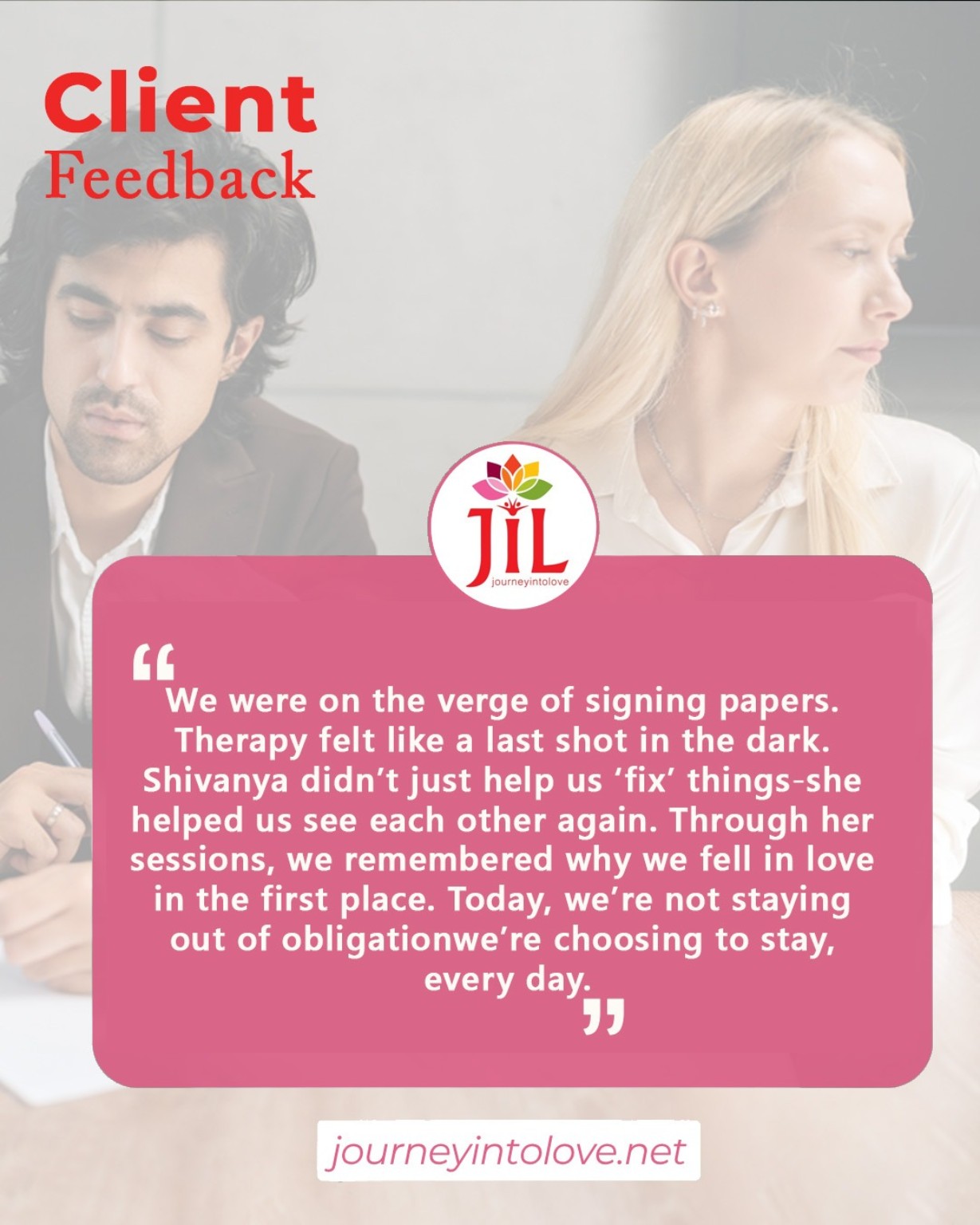




Whether you are building a new connection, preparing for marriage, healing from a breakup, or strengthening your bond, we are here to guide and support you every step of the way.
Strengthen emotional and physical connection to build a deeper and healthier bond.
Find healing, regain confidence, and move forward after separation or heartbreak.
Prepare for a strong and successful marriage with better understanding and communication.
Guiding parents to build stronger bonds and better communication with their children.
Guidance and support for unique relationship dynamics with understanding and acceptance.
Supporting teens and young adults through stress, emotions, and life challenges with confidence.
Resolve conflicts, rebuild trust, and strengthen your marriage for a happier future.
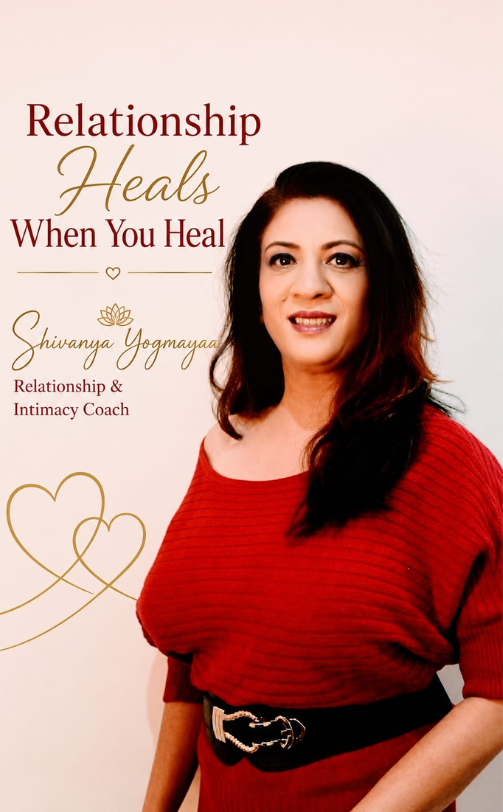
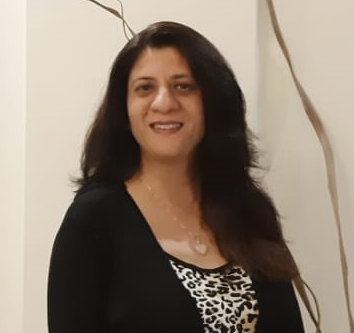
Internationally Certified Relationship Coach / Intimacy Coach / Sex Therapist / Holistic Therapist
For over 15 years, Shivanya Yogmayaa has been guiding individuals and couples on a journey from emotional pain, conflict, and disconnection to deeper love, intimacy, and authentic connection.
Her own life experiences became the foundation of her life's purpose—to help people build relationships that are secure, passionate, and emotionally fulfilling. Shivanya believes that every relationship reflects the relationship we have with ourselves, and true healing begins within.
Her unique approach blends modern psychology with holistic healing, creating powerful and lasting transformation. She integrates evidence-based techniques including CBT, EFT, NLP, Transactional Analysis, Gestalt Therapy, Shadow Work, and Sex Therapy with holistic healing modalities such as Reiki, Chakra Healing, Crystal Therapy, Meditation, Breathwork, and Inner Child Healing.
Over the years, she has empowered singles, couples, professionals, and individuals recovering from heartbreak, separation, betrayal, and emotional trauma to rediscover self-love, emotional resilience, confidence, and meaningful relationships.
Her own breakthrough became her life's work and message. Through one-to-one coaching, relationship education, workshops, and her writings, Shivanya continues to inspire people worldwide to build conscious, emotionally fulfilling, and lasting relationships.

Let’s open your heart story to us, We’ll listen to you
4.9 Average Rating
05/04/2026
Why Desire Begins in the Mind, Not the Be...

05/04/2026

05/04/2026
They looked like the perfect couple.